How Augmented Reality (AR) is Being Used in Web Development
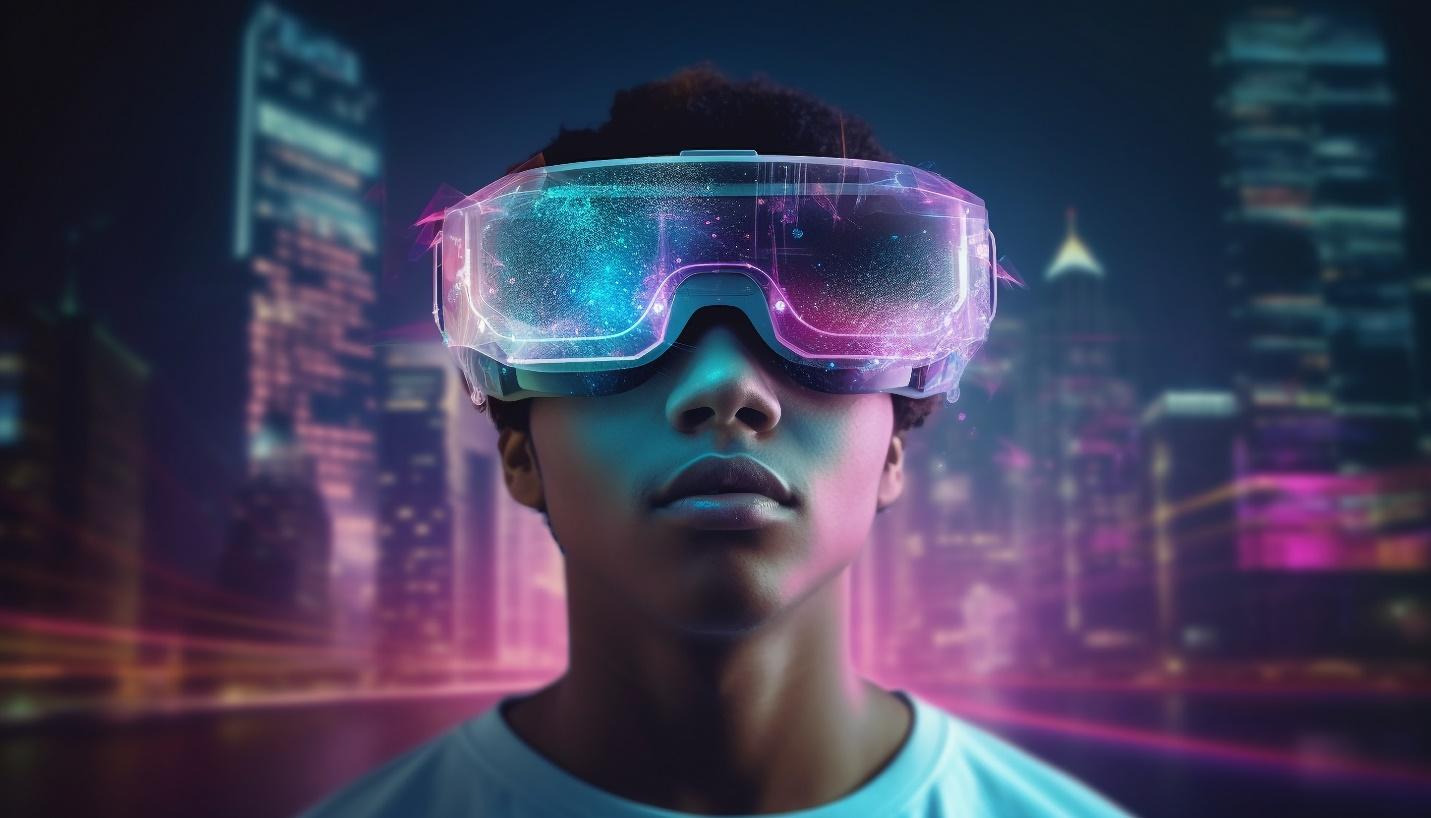
Augmented Reality, or AR, is no longer limited to gaming apps or high-end tech gadgets. It’s slowly becoming a part of everyday browsing experiences. Businesses are now using AR on their websites to make things more interactive, helpful, and fun for users.
But how does AR fit into web development? And what does it mean for business owners and developers? Let’s break it down in a simple and clear way.
What is Augmented Reality (AR)?
AR adds digital elements to the real world. Unlike virtual reality, which creates a whole new environment, AR keeps the real world in view and adds layers of information or images to it. Think of trying on sunglasses online using your phone camera — that’s AR at work.
With better internet speeds, camera access on browsers, and modern coding tools, AR is now being added to websites, not just apps.
Ways AR is Being Used in Web Development
Virtual Product Previews
Many online stores now offer AR previews. Customers can see how a piece of furniture might look in their living room or how a pair of shoes fits. This makes online shopping more practical and builds confidence in buying.Interactive Learning and Training Tools
AR can help explain complex topics in a fun and simple way. For example, educational sites can show 3D models that users can rotate and zoom into, giving a better understanding than just plain images or videos.Real-Time Customization
On some fashion or makeup websites, users can test different looks using their camera. AR allows users to change hair color, apply lipstick, or even try on clothes before adding them to the cart.Guided Support and Walkthroughs
AR features on support pages can guide users in using a product. Imagine pointing your camera at a device and getting on-screen tips on how to use it — that’s helpful and reduces support requests.
Benefits of AR in Web Development
Better User Engagement
Visitors spend more time on websites that offer interactive features. AR keeps users involved, which improves chances of conversion.Higher Customer Satisfaction
By giving users a closer look at products or helping them learn better, AR creates a more helpful and satisfying experience.Brand Differentiation
Businesses that adopt AR stand out in the crowded digital space. This helps create a memorable impression.
For example, a web design company in Odisha helping local brands stand out online may recommend using AR tools to enhance customer experience and give their clients a modern edge.
How Developers Are Adding AR to Websites
Adding AR to a website used to be tricky, but today there are tools that make it easier. Libraries like A-Frame, AR.js, and Three.js help developers build AR experiences that work directly in web browsers.
This means users don’t have to download extra apps — they can just visit a site and start interacting with AR features.
Challenges Developers Keep in Mind
While AR is exciting, it also comes with a few things to think about:
Device Compatibility – AR features may not work on older phones or browsers.
Performance – AR can use more data and battery, so developers must make sure the site still runs smoothly.
User Privacy – Since AR may use the camera, clear permissions and privacy rules are important.
That’s where expert teams like a web design company in Odisha come in handy. They understand how to keep AR features smooth, useful, and respectful of user privacy.
Conclusion
AR is no longer just a tech trend — it’s becoming a valuable part of web development. From helping shoppers make better choices to making learning easier, it’s changing how websites work.
As more businesses look to give users something extra, adding AR to their site can be a smart move. With the right tools and guidance, AR can help websites offer more than just content — they can offer real interaction.

Comments
Post a Comment